
An optimization model for managing an industrial enterprise's energy supply
-
~30M
UAH saved on energy costs per month
-
−15%
reduction in energy-supply costs
-
Weekly
automatic recalculation of the optimal configuration
Context
Initial state
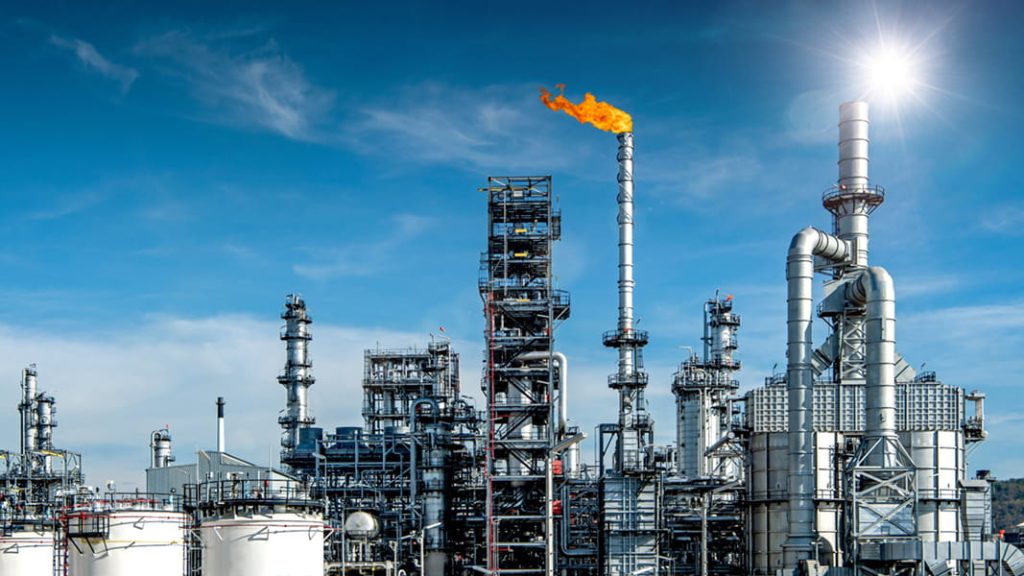
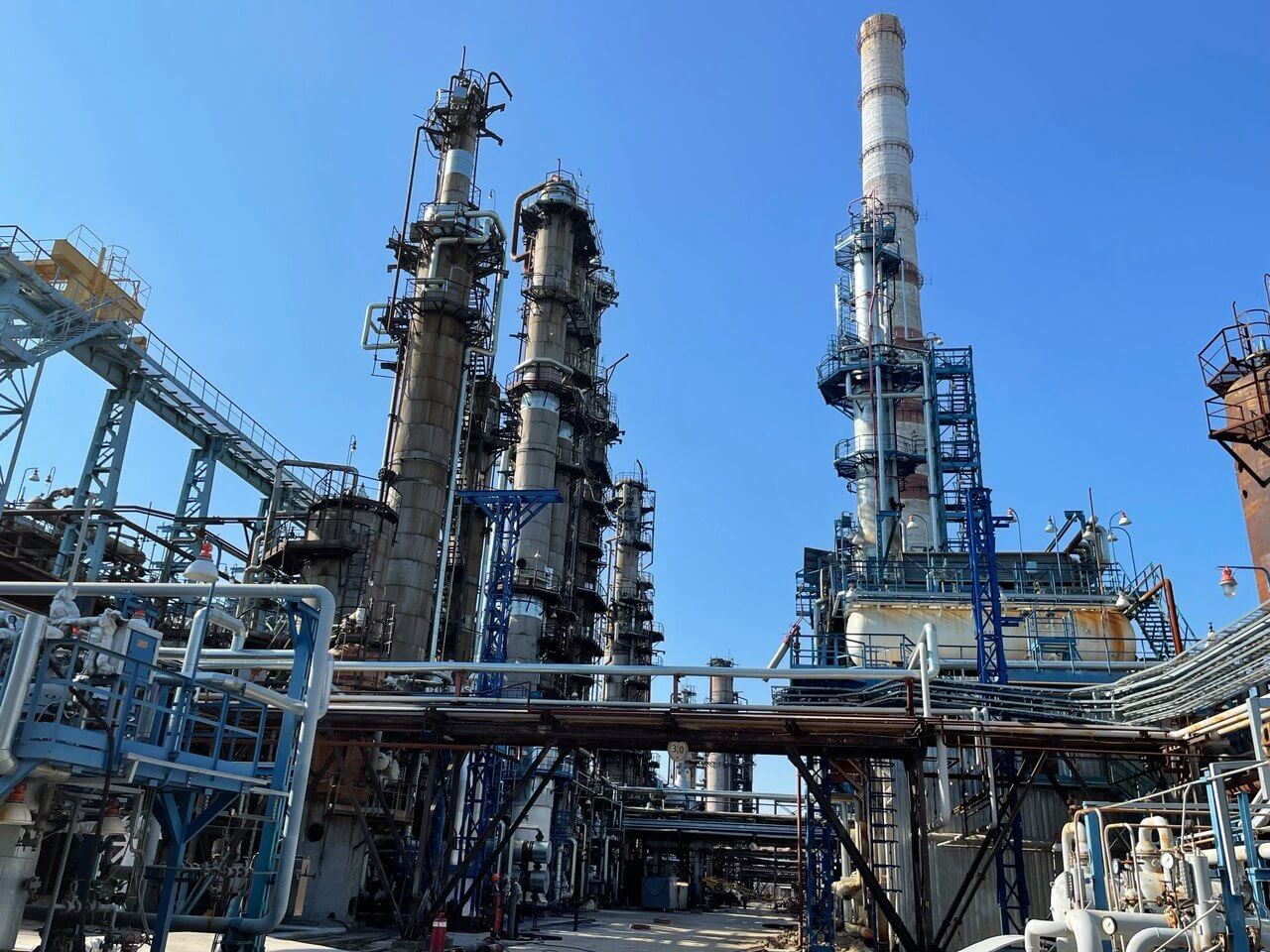
At a large industrial enterprise with a continuous production cycle, we developed and implemented an optimization model for managing the energy supply, aimed at minimizing costs. The enterprise has several alternative energy sources: its own generating capacity of different sizes and types, centralized procurement of energy, and the option of using different fuels for its own generation.
To minimize costs, the optimal energy-supply configuration has to be chosen weekly — depending on production plans, resource prices, and technical constraints. Before the model, this task was handled intuitively or through simplified manual calculations, which systematically led to excess costs.
Project details
- Industry
- Industrial enterprise with a continuous cycle
- Area
- Optimization modeling / Energy management
- Energy sources
- Own generation + centralized procurement + alternative fuel
- Savings
- ~UAH 30M per month
- Cost reduction
- −15%
The problem
Intuitive decisions amid multi-factor optimization
Choosing the most cost-effective energy-supply configuration depended on a large number of variables changing at once. With no tools for comprehensive, fast analysis, decisions were made intuitively or from simplified calculations — which, for an enterprise with a large-scale energy-supply system, meant systematic excess costs.
-
A multi-factor dependency with no analysis tool
The optimal decision was determined simultaneously by production plans, technical constraints, maintenance schedules, consumption forecasts, and current fuel prices — impossible to calculate correctly by hand
-
Tight decision deadlines
The optimal configuration had to be set within a few hours of receiving the latest inputs — there was no time for manual calculations
-
Volatile inputs
Constant changes in resource prices, production plans, and technical constraints required continuous review of decisions — physically impossible without automation
-
No scenario analysis
The inability to quickly assess several alternatives at once led to accepting the first workable decision instead of the optimal one
-
Systematic excess costs
Decisions made without a comprehensive economic comparison of alternatives regularly led to the inefficient use of own generating capacity and a suboptimal energy-procurement structure
How the problem was identified
The problem was identified through an analysis of the enterprise’s cost structure and its decision-making process for energy supply. It was established that a significant share of decisions were made without a comprehensive economic comparison of alternatives, that calculations were done manually or from simplified models, and that the rapid change in inputs made a prompt assessment of the optimal configuration impossible. A retrospective analysis confirmed that in past periods there had in fact been decisions leading to excess energy costs.
The solution
Steps in building the optimization model:
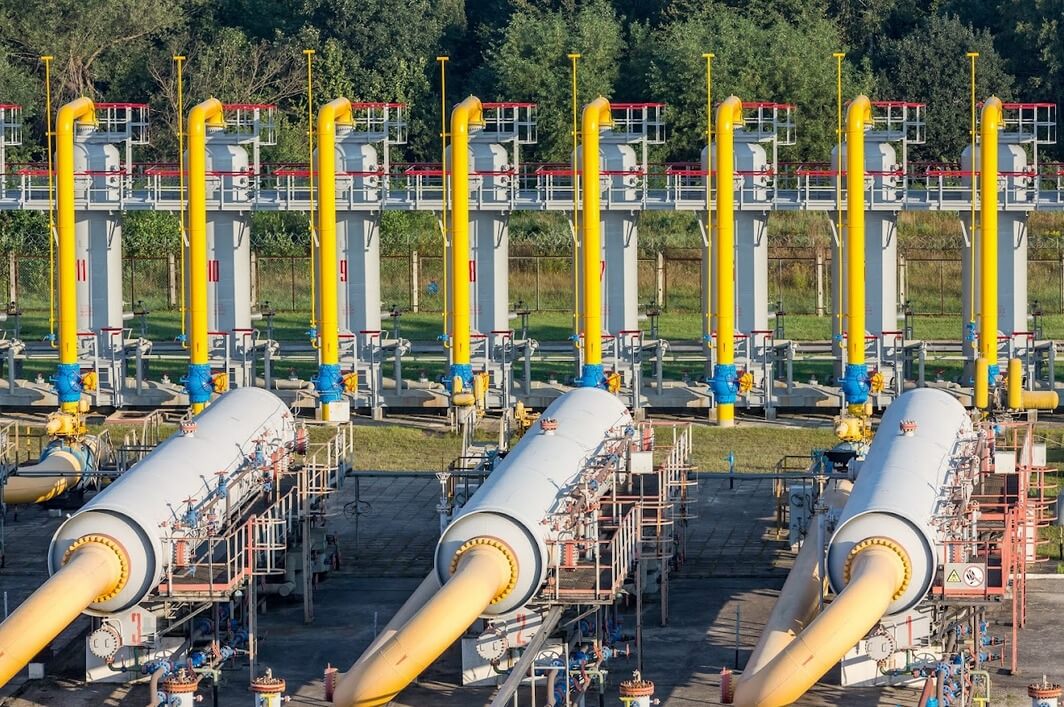
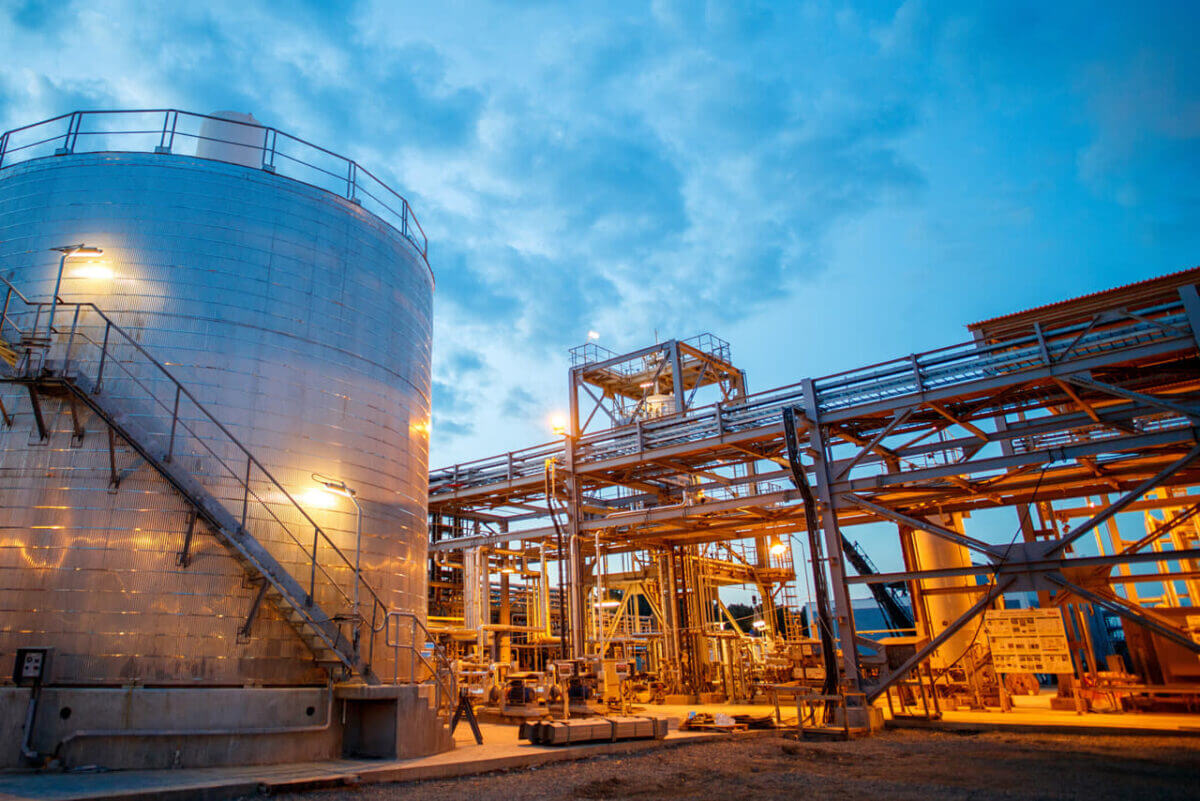
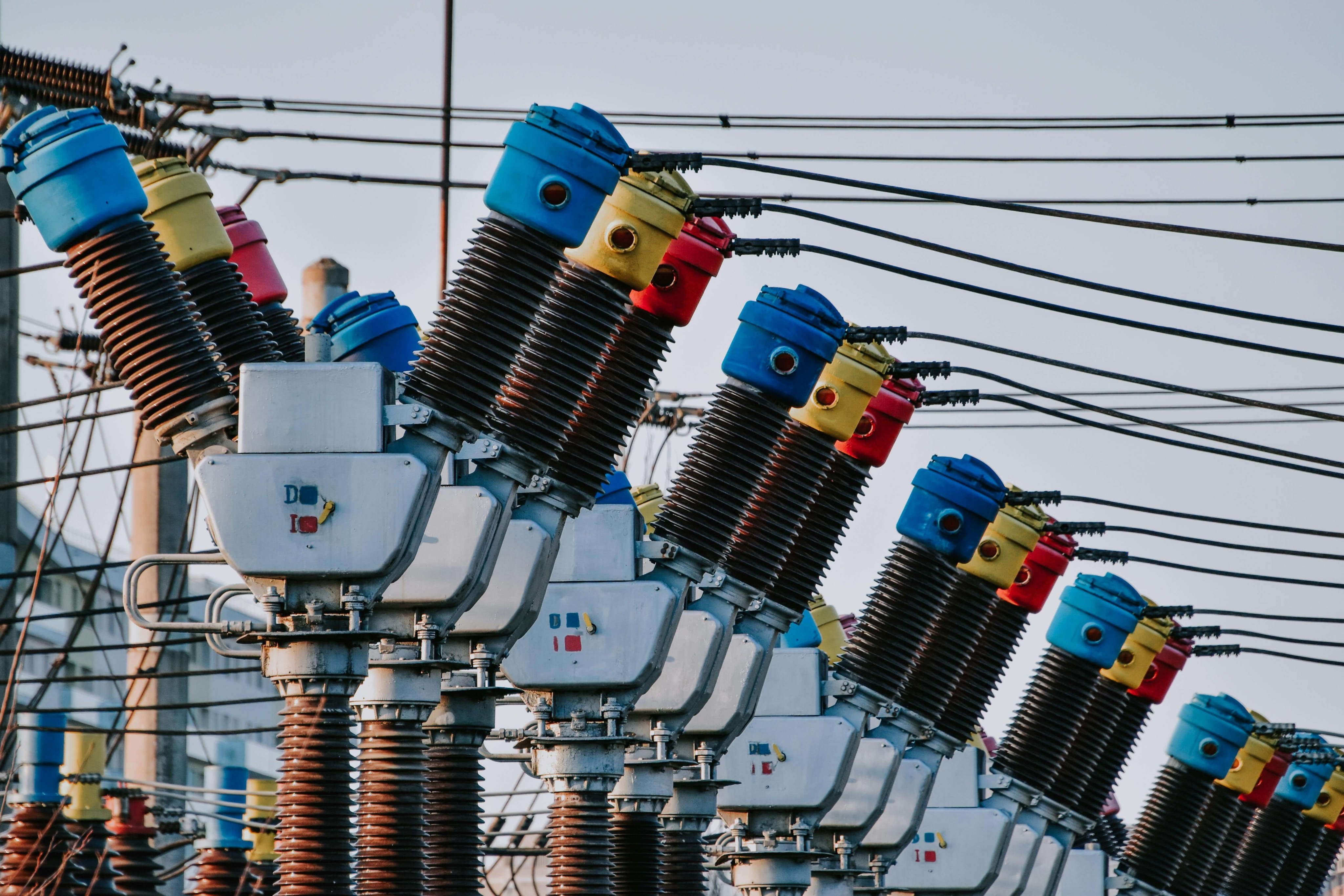
To solve the problem, we developed an optimization model for managing the enterprise’s energy supply. The team carried out a comprehensive analysis of all internal and external energy sources, the technical characteristics of the generating capacity, the technological relationships among the energy systems, and the economic parameters. On that basis we built a system of dependencies among production needs, technical constraints, and economic parameters — and constructed a mathematical optimization model.
-
Analyzing the energy sources
We carried out a comprehensive analysis of all internal and external energy sources, their technical characteristics, constraints, and cost parameters.
-
Mapping the technological relationships
We identified and structured the technological relationships among the enterprise's energy systems — as the basis for the mathematical model.
-
Building the mathematical optimization model
We developed a mathematical model that integrates production needs, technical constraints, and economic parameters into a single system with a clearly defined objective function of minimizing costs.
-
Integrating variable inputs
The model is set up to take the latest variable parameters for any planning period: the production program, consumption forecast, current fuel and energy prices, technical constraints, and maintenance schedules.
-
Automatic optimization of the configuration
The model automatically determines the optimal combination of energy sources that minimizes total costs under the given parameters and constraints.
-
Automatic recalculation when parameters change
When any input changes, the model automatically recalculates the optimal configuration — with no need for manual intervention by an analyst.
Results
Measurable achievements after implementation
Implementing the optimization model made it possible to move from intuitive decision-making to the systematic economic optimization of the energy supply.
Before the model
-
Intuitive choice of configuration
-
Manual calculations from simplified models
-
Occasional review of decisions
-
No scenario analysis
-
Excess energy costs
-
Decisions with no economic rationale


After the model
-
Mathematical optimization that minimizes costs
-
An automatic model that fully accounts for the parameters
-
Weekly automatic recalculation
-
Instant assessment of an unlimited number of scenarios
-
−15%
in energy costs / ~UAH 30M saved per month
-
Decisions based on data and a mathematical model

Висновок


