
A dynamic model for managing natural-gas production
-
~1,500
wells under the model's management
-
+13%
annual production growth
-
+19%
growth in average daily production
-
1,000+
impact factors integrated into the model

Context
Initial state
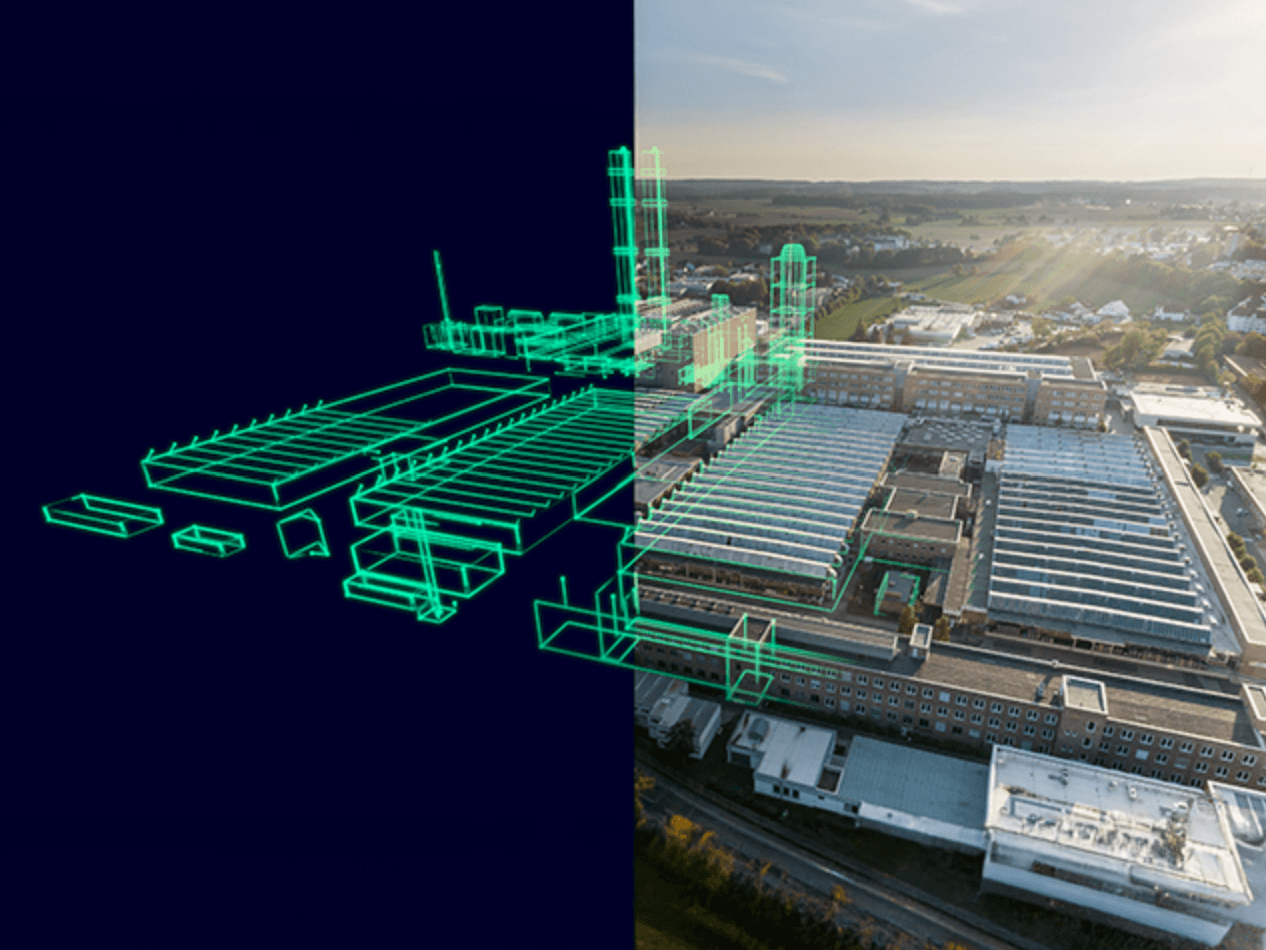
For a large gas-production enterprise with extensive production infrastructure, we developed and implemented a dynamic model for managing natural-gas production. The model is a digital twin of the enterprise’s operating system — it forecasts the daily production level over a one-year horizon and automatically identifies negative trends and deviations, allowing for prompt management decisions and the minimization of factors that adversely affect production.
Before the model, the operating plan was drawn up monthly and actual data was also collected monthly. Management decisions to address negative factors were mostly made after the fact — once the reporting period had ended. For an enterprise with thousands of infrastructure facilities, this management model meant a systematic loss of production potential.
Project details
- Industry
- Oil-and-gas enterprise
- Area
- Digital twin / Operational management
- Scale
- ~45 fields, ~1,500 wells, 90+ production facilities
- Context
- Wartime, 5 years of production decline
- Factors in the model
- 1,000+
- Production growth
- #ERROR!
The problem
Reactive production management with no ability to respond in time
Analysis of the production planning-and-control system established that the absence of an integrated factor-analysis and forecasting model limited the scope for operational management of the production system. For an enterprise with thousands of infrastructure facilities, this meant a systematic loss of production potential every day.
-
A monthly planning and control cycle
Operational decisions were made after the reporting month had ended — when losses were already locked in and could no longer be prevented
-
No detail by well or field
Aggregated reporting hid negative trends at the level of individual facilities — problems surfaced with a significant lag
-
No forecasting of production indicators
The enterprise had no tool to anticipate production dynamics — management was based purely on the fact, not in advance
-
No factor analysis of deviations
Without the systematic identification of the causes of deviations, management decisions were intuitive, not grounded in data
-
No personal accountability for impact factors
No managers were assigned to specific factors affecting production — accountability for the result was blurred
How the problem was identified
The issues were identified through an analysis of the enterprise’s production planning-and-control system. The team conducted a retrospective analysis of the production processes and the factors affecting production volume. The analysis established that the absence of an integrated model for factor analysis and forecasting of production indicators was the key constraint on the effective management of a production system of this scale.
The solution
Steps in implementing the dynamic model:
To make production management more effective, we developed a dynamic production-management model that reflects the relationships among all key production processes. The model updates automatically when inputs change and actual production figures appear — and generates a daily production forecast with a factor analysis of deviations.

-
Retrospective analysis of production processes
We carried out a detailed analysis of the production processes and built a register of factors affecting production — as the basis for the mathematical model.
-
Identifying and structuring the factors
We identified and structured more than 1,000 factors affecting the production function, broken down by well, field, and production facility.
-
Building the mathematical model
We built a mathematical model for forecasting production indicators based on program-and-target modeling principles.
-
Integrating the factors into a single system
We integrated all factors into a single system of relationships reflecting the enterprise's real operating model with all its dependencies.
-
Implementing daily plan-versus-actual analysis
We introduced daily plan-versus-actual analysis broken down by well, field, and production facility — replacing the previous monthly cycle.
-
Automatic identification of deviations
We set up the automatic detection of deviation factors requiring management attention — the system flags a problem before it becomes critical.
-
Assigning personal accountability
We assigned managers responsible for controlling the key impact factors — each factor has an owner accountable for its dynamics.
Results
Measurable achievements after implementation
Before the model
-
A monthly planning and control cycle
-
Decisions made after the fact
-
No factor analysis
-
Aggregated reporting with no detail
-
No forecasting
-
Blurred accountability
-
5 years
of production decline


After the model
-
Daily plan-versus-actual analysis
-
Forward-looking management based on a forecast
-
Automatic identification of 1,000+ factors
-
Analysis by well, field, and facility
-
A daily forecast over a one-year horizon
-
Personal accountability for each factor
-
#ERROR!

Висновок


