
A system for managing stakeholder relations at a gas-production enterprise
-
11regions
covered by the engagement system
-
0
equipment downtime from lack of land access
-
+20%
rise in drilling-fleet efficiency
Context
Initial state
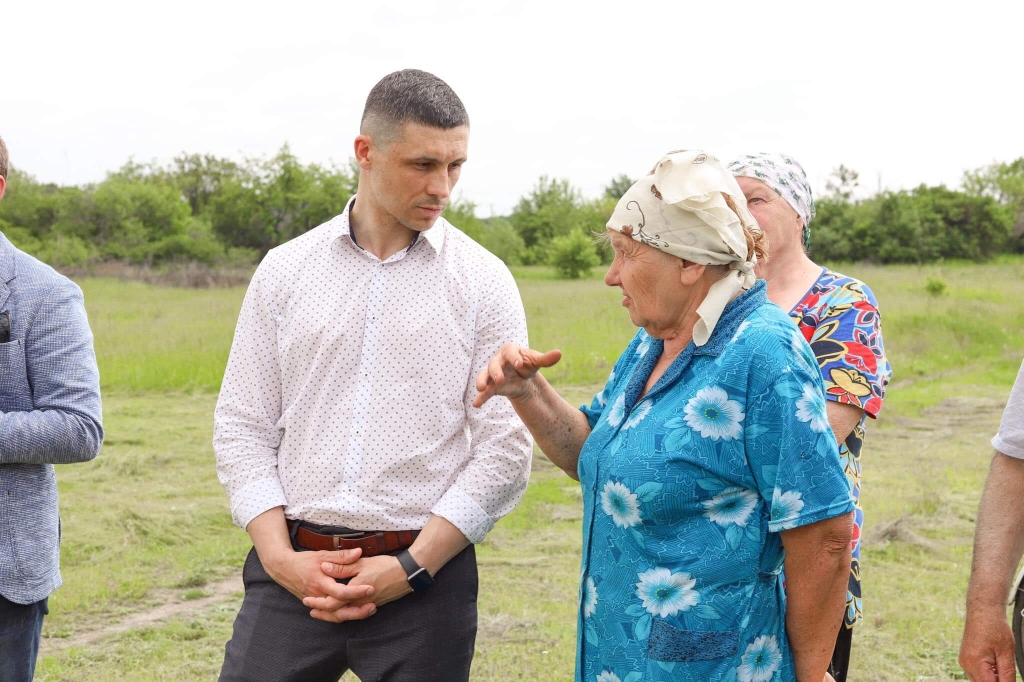
One of Ukraine’s largest gas-production enterprises had an approved development strategy that called for doubling the volume of new exploration and production drilling within two years. Delivering the strategy spanned 11 regions of Ukraine.
But the main stop factor for production became the lack of consent from landowners, land users, and local communities to carry out work on their territories. About 25% of the time, production equipment stood idle for lack of permits and land access. Relations with regional and local authorities were marked by low trust and were unsystematic — the legacy of a negative reputation built up in earlier years.
Project details
- Industry
- Oil-and-gas enterprise
- Area
- Stakeholder management
- Geography
- 11 regions of Ukraine
- Downtime before implementation
- ~25% of equipment operating time
- Downtime after implementation
- None
- Efficiency gain
- 20%
The problem
Destroyed stakeholder trust as a stop factor for delivering the strategy
In the vast majority of regions there was a persistently negative attitude among external stakeholders toward the enterprise’s production activity — the legacy of a long-standing negative reputation. External stakeholders systematically refused to cooperate with company representatives, which effectively blocked the delivery of new drilling projects.
-
A negative reputation built up over years
Environmental breaches, a low standard of work on the land, and unmet social commitments in earlier periods had built up persistent distrust among communities and landowners
-
25% drilling-fleet downtime
A quarter of the working time, costly production equipment stood idle for lack of land access or community permits — direct financial losses every day
-
No relationship-management system
Stakeholder engagement was unsystematic, with no single methodology, register of issues, or control over the fulfillment of commitments
-
Low trust in the authorities
Relations with regional and local authorities had no institutional character — every contact started from scratch with no accumulated capital of trust
-
A threat to the strategic goals
Without solving the stakeholder problem, doubling drilling volume was physically impossible — land and permits would remain blocked
How the problem was identified
External stakeholders systematically refused to cooperate with company representatives across regions. Analysis showed that the drilling fleet stood idle about 25% of the time owing to a lack of land access or community approvals — and that this problem was systemic, not incidental.
The solution
Steps in the transformation
The approach ran along two parallel streams: the urgent resolution of the most critical problem cases — and, at the same time, building a system that prevents the recurrence of stakeholder problems on the company’s projects.
Stream 1 — Resolving problem cases
-
Assessing engagement risks
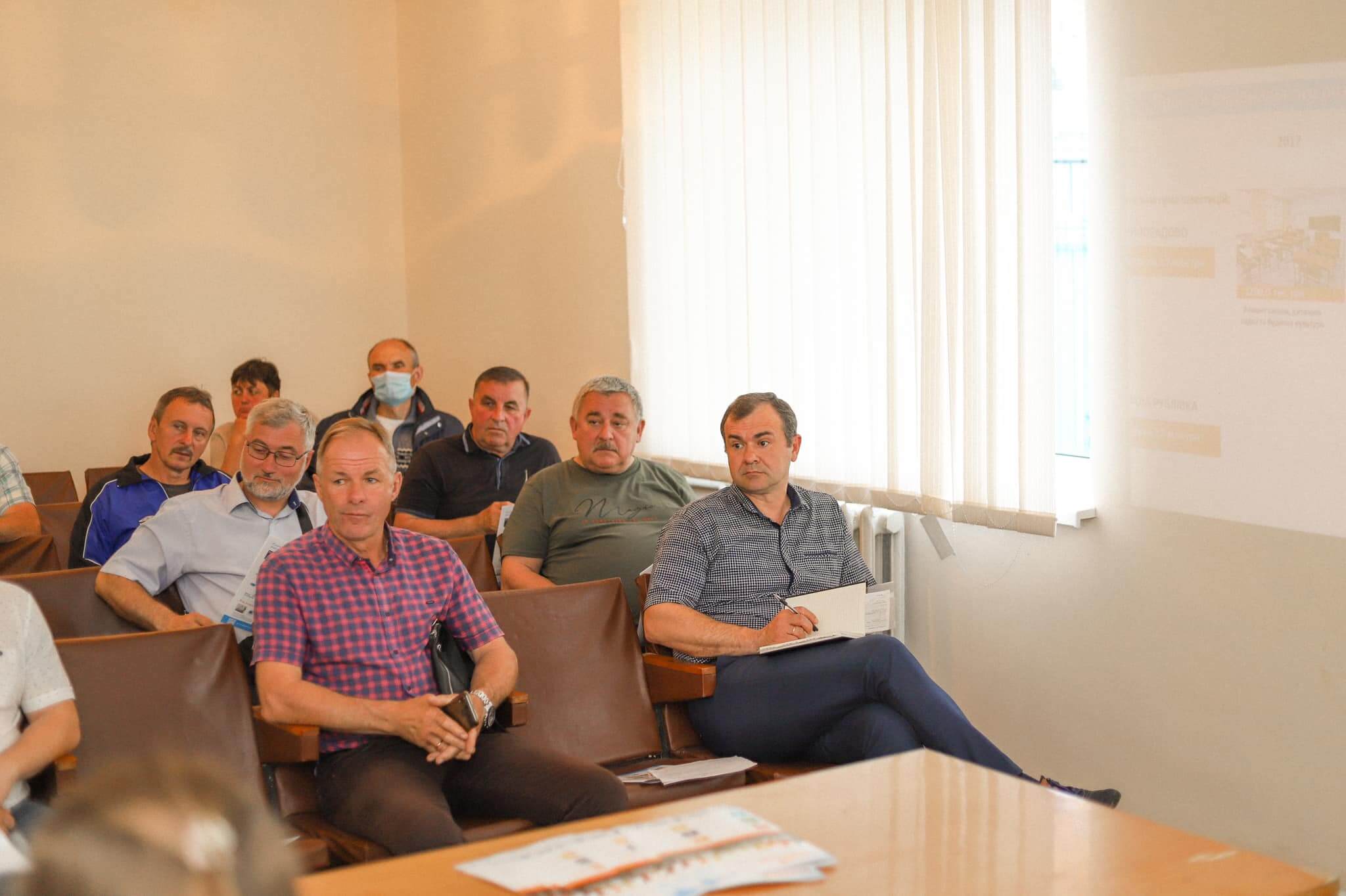
We interviewed the responsible project managers, as well as external and internal stakeholders. We diagnosed the existing approach to stakeholder management and identified the key risks.
-
Prioritizing problem cases
Amid limited organizational and staffing resources, we prioritized cases by the criticality of their impact on production and the feasibility of resolving them.
-
Developing and delivering action plans
For each problem case we developed a separate action plan with an assigned manager and timelines, then took responsibility for delivery.
-
Showing readiness to restore trust
We delivered on the first-priority commitments to communities and landowners — as a signal of the company's intent to operate in a sustainable, responsible way.
Stream 2 — Building a stakeholder-management system
-
Organizational provision
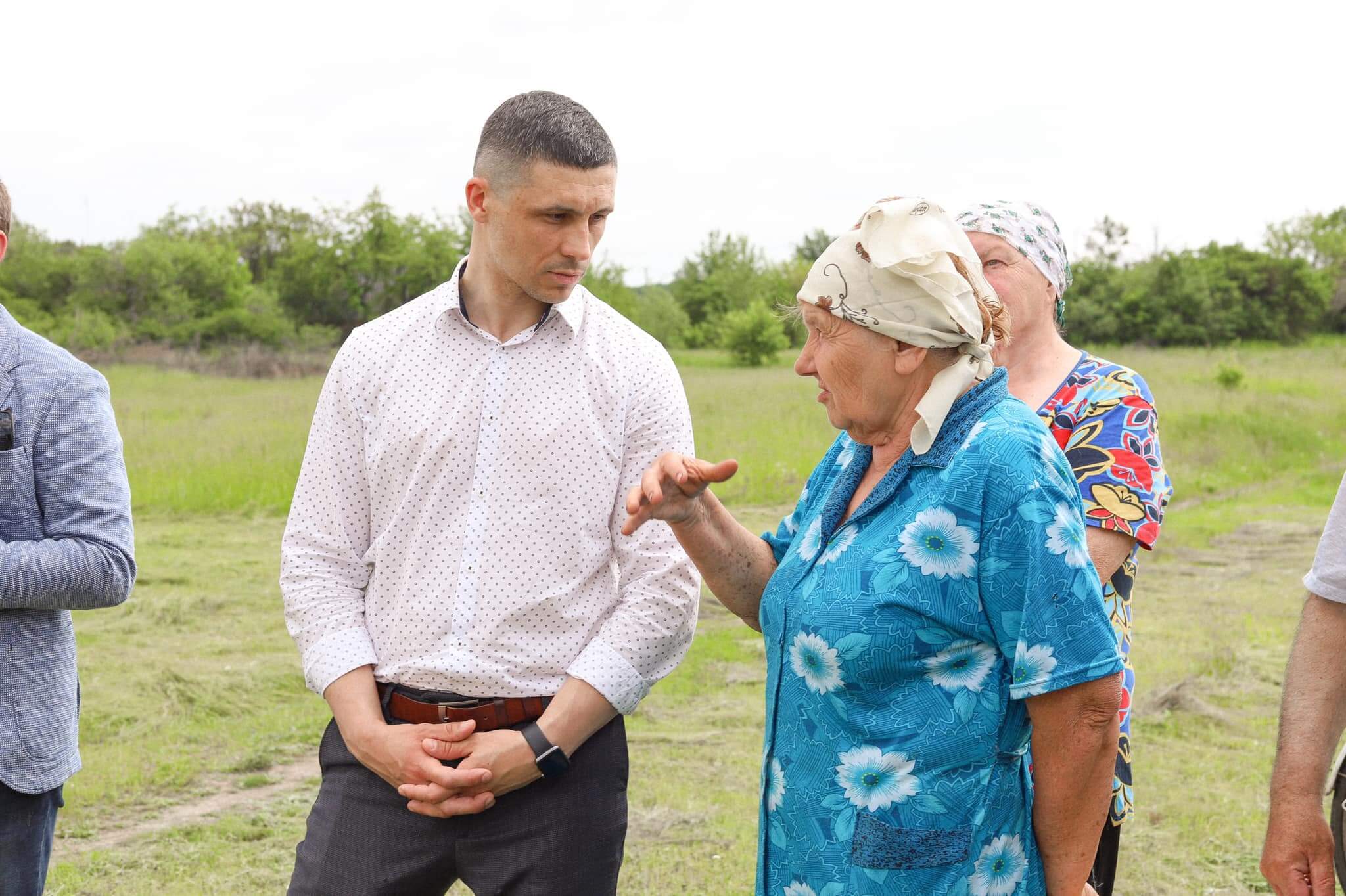
We created regional units responsible for organizing engagement with external stakeholders on projects, with defined roles and authority.
-
Forming teams and methodological provision
We formed effective regional teams, developed a stakeholder-engagement methodology, and provided ongoing methodological support.
-
Developing and implementing a dedicated CRM system
We developed and implemented dedicated software for managing stakeholder relations, with full history of interactions and commitments.
Results
Measurable achievements after implementation
After a year of systematic stakeholder work, the drilling fleet ran steadily and without interruption, with no downtime from lack of land access. After two years, a lasting stakeholder-relations management system was built that withstood the test of full-scale war. In particular, the accumulated capital of trust and the established channels of engagement made it possible to promptly resolve critical issues of worker safety and production continuity in frontline regions.
Before the system
-
~25%
drilling-fleet downtime from lack of access
-
Systematic refusals to cooperate
-
Unsystematic engagement with no methodology
-
No register or control of commitments
-
Trust destroyed after breaches


After the system
-
0 downtime
from lack of access
-
Most stakeholders on the company's side
-
A single system across 11 regions
-
A CRM system with full monitoring
-
Trust restored through systematic action


