
Building a corporate social responsibility system at a gas-production enterprise
-
100
local communities in the engagement system
-
230+
CSR projects delivered
-
11regions
geography of operations
Context
Initial state
Before the corporate social responsibility system was built, the enterprise’s production activity in community territories was accompanied by systemic conflicts, blocked access to resources, and mounting social resistance — which directly threatened the delivery of the production program.
Project details
- Industry
- Gas-production enterprise
- Area
- CSR / Community engagement
- Geography
- 11+ regions, 100 communities
- CSR projects delivered
- 230+
- Standards alignment
- 7 UN Sustainable Development Goals
The problem
Systemic social resistance as a threat to production
The company’s dynamic production activity, without systematic community work, led to a build-up of conflicts and blockages. Delays or refusals in approval procedures, critical stakeholder appeals, negative media coverage, and objections at public hearings became a systemic phenomenon that threatened delivery of the production program.
-
Community dissatisfaction with production activity
Using local resources and infrastructure with no systematic compensation or dialogue bred accumulated dissatisfaction among residents
-
Legal and physical blocking of access
Landowners and land users flatly refused to cooperate — which directly halted the delivery of production projects
-
Accumulated environmental problems and a low standard of work
Real breaches in earlier periods provided fertile ground for active anti-gas-production myths and constant citizen appeals
-
No transparent mechanism for supporting communities
Decisions on assistance were made opaquely and unsystematically — which undermined trust and created an impression of manipulation
-
No system for responding to appeals
Community appeals had no structured process for handling and response — which let unresolved problems pile up
-
No competent team
There were no specialists able to build relations with communities and other stakeholders systematically
How the problem was identified
Delays or refusals to approve production projects (owing to community resistance, critical stakeholder appeals, negative media coverage, and objections at public hearings about the company’s planned activity) painted a clear picture of a systemic problem requiring a comprehensive solution.
The solution
Steps in building the system
We decided to build a comprehensive CSR system that would provide a systematic dialogue with communities, a transparent support mechanism, and a long-term basis for the enterprise’s operational resilience.
-
Assessing community relations
We assessed the current state of relations and interviewed community representatives on matters connected with the company's activity in their territories.
-
A register of issues
We created a register of issues and defined proposals for resolving them — as the basis for prioritization and planning.
-
Prioritizing communities and developing a
CSR plan We prioritized communities with the enterprise's production interest in mind. We developed a plan of CSR projects based on the needs, expectations, and interests of each community. We defined engagement strategies.
-
Building the basis for community work
We created a CSR Committee and developed a CSR Policy in cooperation with communities and other stakeholders, grounded in the 7 UN Sustainable Development Goals. We formed and trained a team for continuous community engagement.
-
A communications campaign and training
We held meetings and an information campaign about the enterprise's new approach to community engagement. We organized training for local self-government representatives on delivering CSR projects and on fundraising.
Results
Measurable achievements after implementation
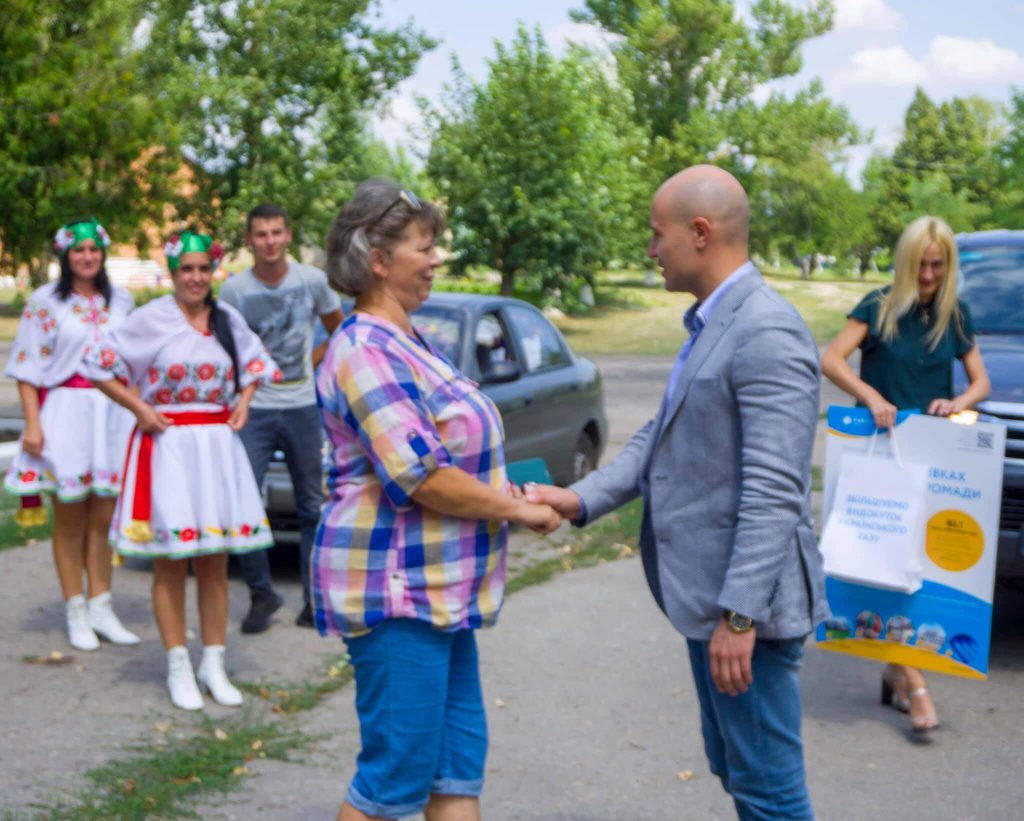
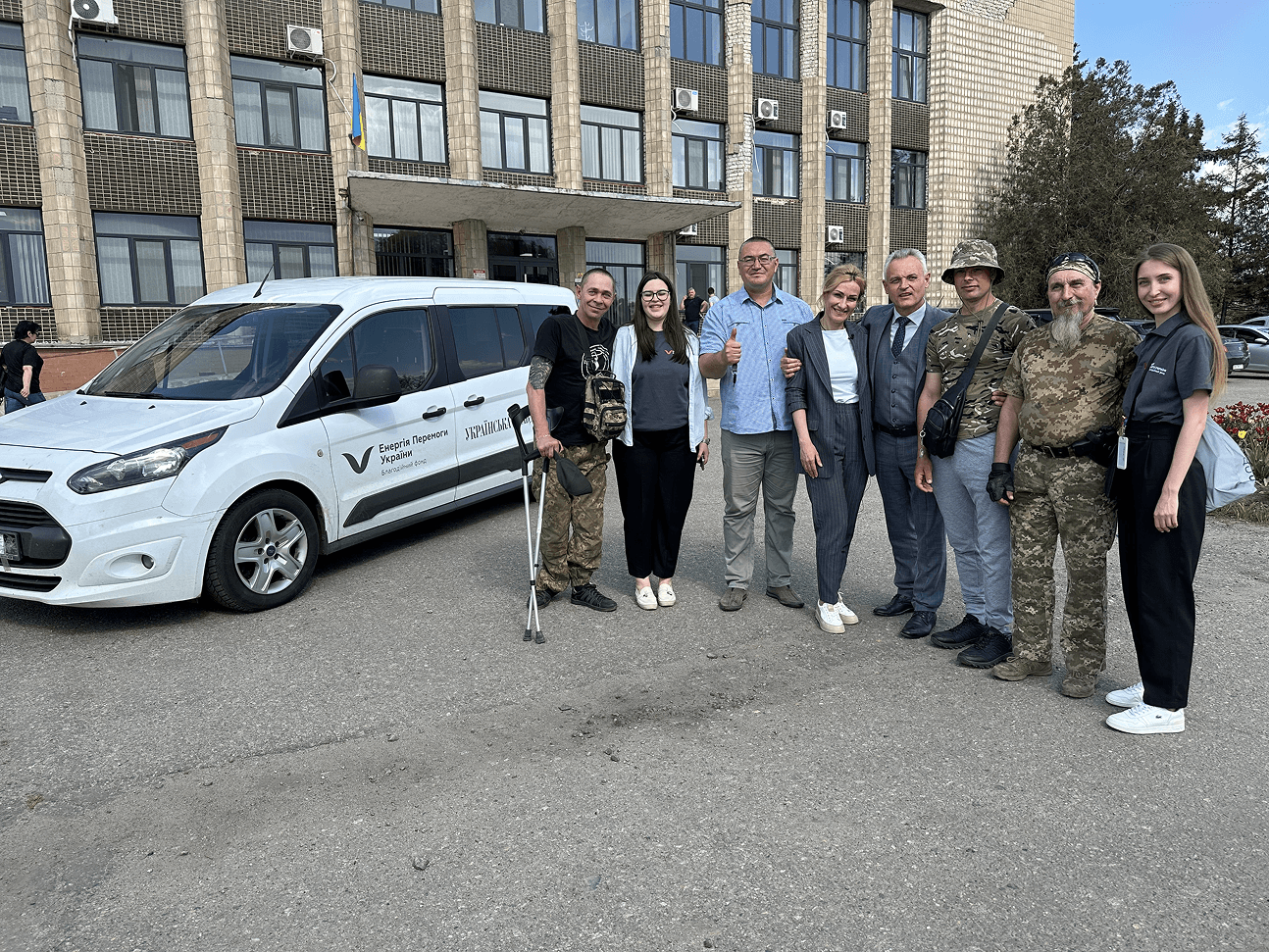
Since 2020, a large gas-production company has built and successfully operated a corporate social responsibility system across 100 local communities in Ukraine. The system balances the company’s business interests and the communities’ interests well and aligns with the UN’s Global Sustainable Development Goals. Over the system’s operation (including in full-scale war), more than 530 projects have been delivered in local communities of the Kharkiv, Poltava, Dnipropetrovsk, Lviv, Sumy, Ivano-Frankivsk, and other regions. The projects delivered span the fitting-out of schools and educational spaces, medical equipment for clinics, municipal machinery, water supply and lighting, solar power plants, and road repairs.
Before the system
-
No systematic support for communities
-
Communities refusing to cooperate
-
No system for communication and responding to appeals
-
No organizational basis for CSR
-
Opaque decisions on assistance
-
No engagement team
-
A threat to the production program


After the system
-
230+ CSR projects delivered
-
100 communities
in a partnership system
-
Two-way communication channels established
-
A CSR Committee and an approved CSR Policy
-
A transparent mechanism based on the 7 UN SDGs
-
Trained regional teams
-
Resilience of operational and project activity


