
Delivering a comprehensive project to develop a new gas field in de-occupied territory
-
10months
from start to commissioning
-
3M
m³ day, capacity of the gas treatment unit built
-
30km
of pipeline built
-
60km
distance to the front line
-
10
wells connected
Context
Initial state
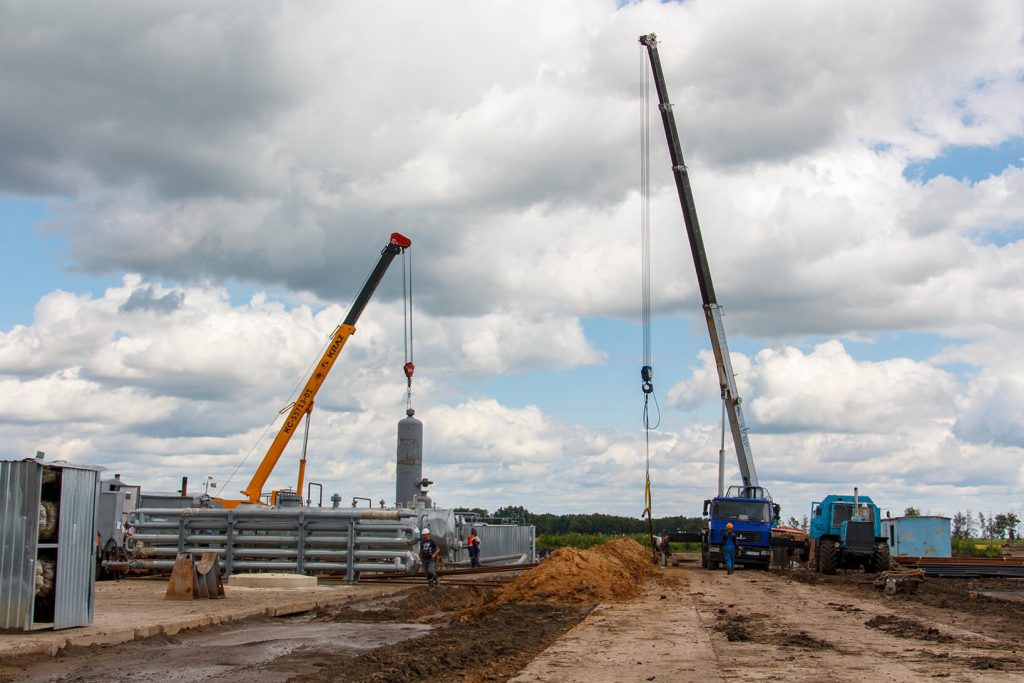
Drilling an exploration well uncovered a new natural-gas field — one of the largest discoveries in Ukraine in the past eight years. Given the field’s significant potential, the team was tasked with the fastest possible development: drilling and commissioning 10 high-output wells within one year. This required building entirely new infrastructure for gathering, treating, and transporting hydrocarbons — from scratch, in de-occupied territory, amid active hostilities.
Project details
- Industry
- Oil-and-gas enterprise
- Area
- Infrastructure project management
- Delivery timeline
- 10 months
- Gas treatment unit
- Capacity 3M m³/day
- Pipeline
- 30 km
- Wells
- 10 new high-output
- Distance to the frontline
- ~60 km
- Conditions
- De-occupied territory, active hostilities
The problem
Delivering a large infrastructure project from scratch in de-occupied territory with limited resources
After drilling, the new wells showed high gas output — but there was nowhere to connect them. The field lay in de-occupied territory with minimal infrastructure, and every day of delay meant a loss of production potential at a field strategic to the country’s energy security.
-
De-occupied territory with a high mine threat
The territory was heavily contaminated with explosive ordnance — any work required prior demining and constant coordination with the military
-
~60 km to the front line
The security context required a special regime for organizing work, evacuation protocols, and constant engagement with the military command
-
No infrastructure within reach
The nearest production facilities were more than 15 km away and had limited capacity — connecting the new high-output wells to the existing network was impossible without building new infrastructure
-
Critical delivery timelines
The traditional construction model required long lead times for equipment manufacturing and construction-and-installation work — creating a risk of delaying the field's commissioning by years
-
Limited resources
In wartime, the availability of equipment, materials, and contractors was severely constrained — standard supply chains did not work
How the problem was identified
We had to ensure the prompt drilling of new wells and the construction from scratch of infrastructure to treat the gas and feed it into the gathering-and-transport system. This created the need to deliver a comprehensive infrastructure project on a tight timeline.
The solution
Steps in delivering the project
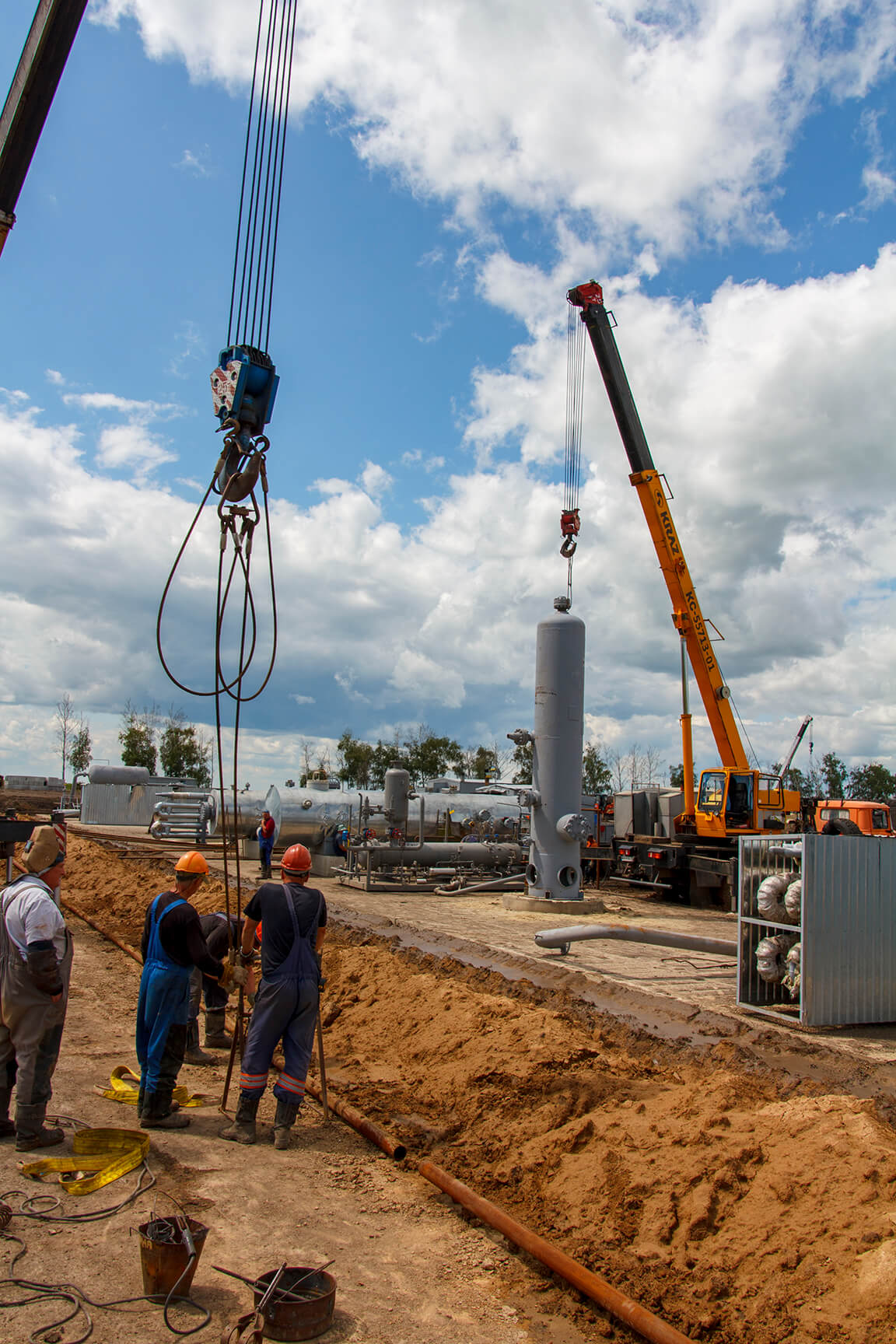
We developed a strategy for the comprehensive development of the field that provided for the parallel integration of all key delivery stages based on project management principles.
-
Forming a cross-functional team and a
PMO We created a cross-functional project team and implemented a project management methodology, defining and minimizing the project's critical path.
-
Optimizing resource provision
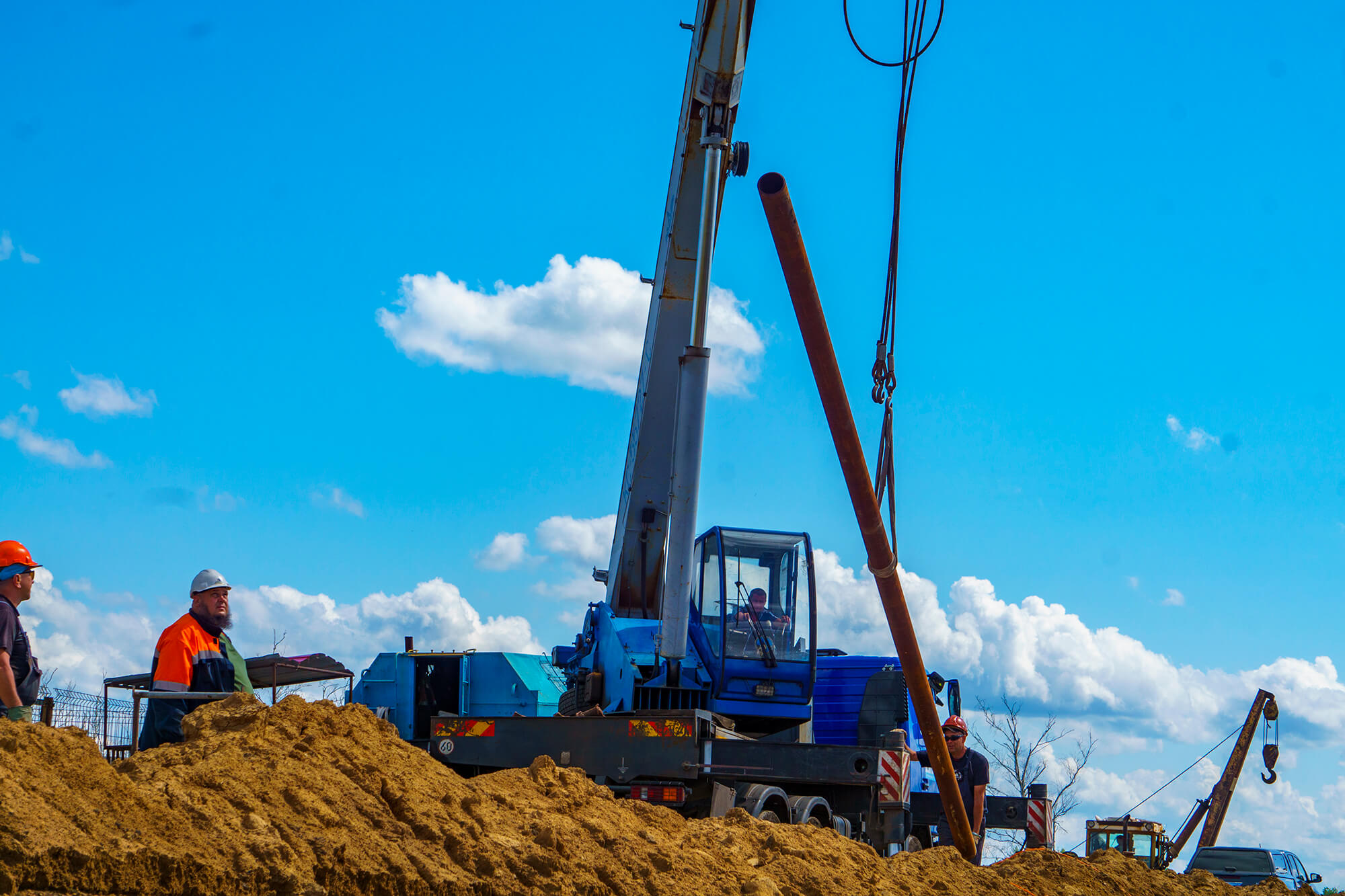
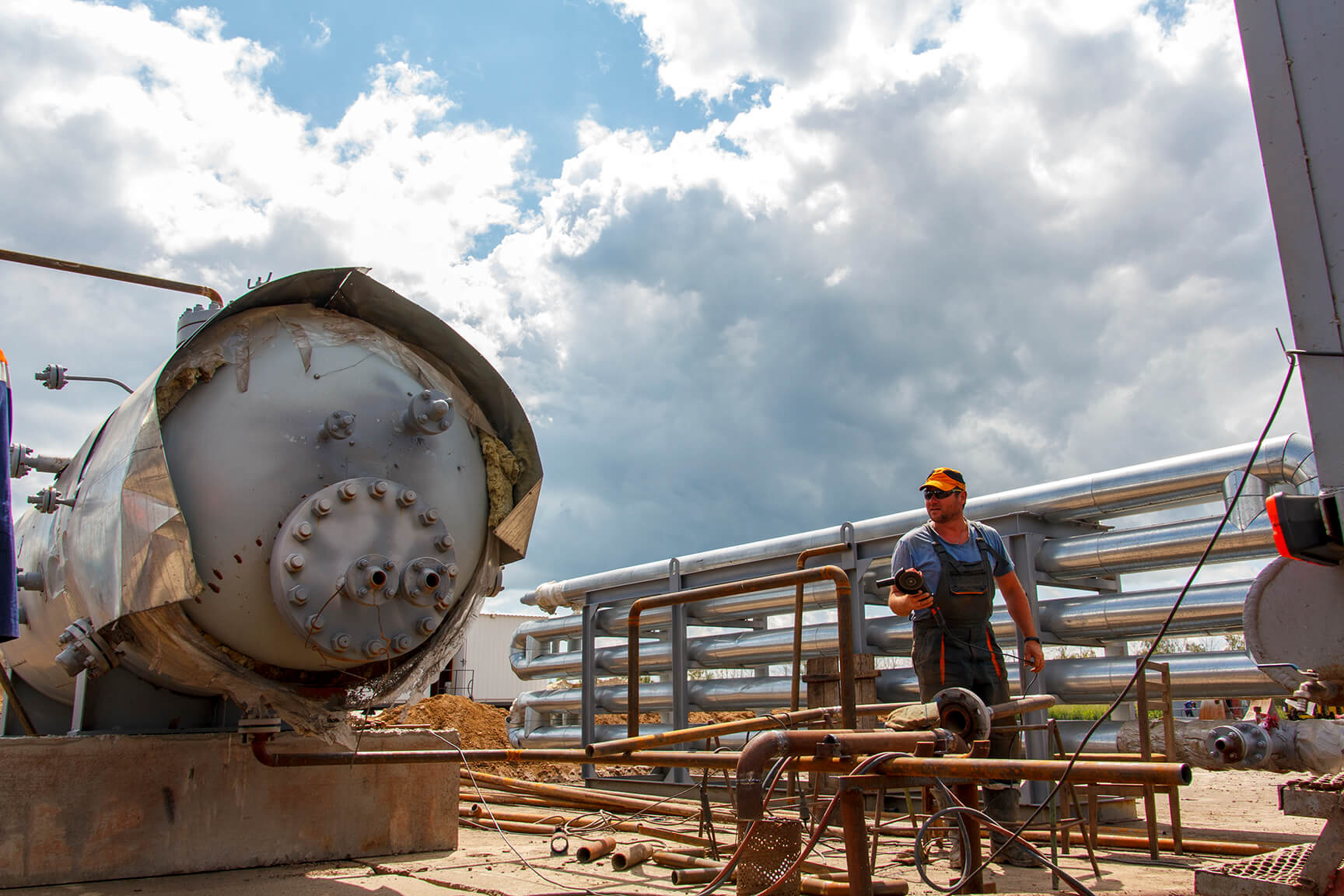
Amid limited resources, we developed an investment scenario for using available material and technical resources. More than 60% of the equipment and materials needed were sourced by dismantling, repairing, and relocating from other (idle or lower-priority) company facilities.
-
Preparing and defending the business plan
We prepared and defended a detailed business plan for the investment project before the shareholders, with a rationale for the investment need and a payback schedule.
-
Parallel delivery of key stages
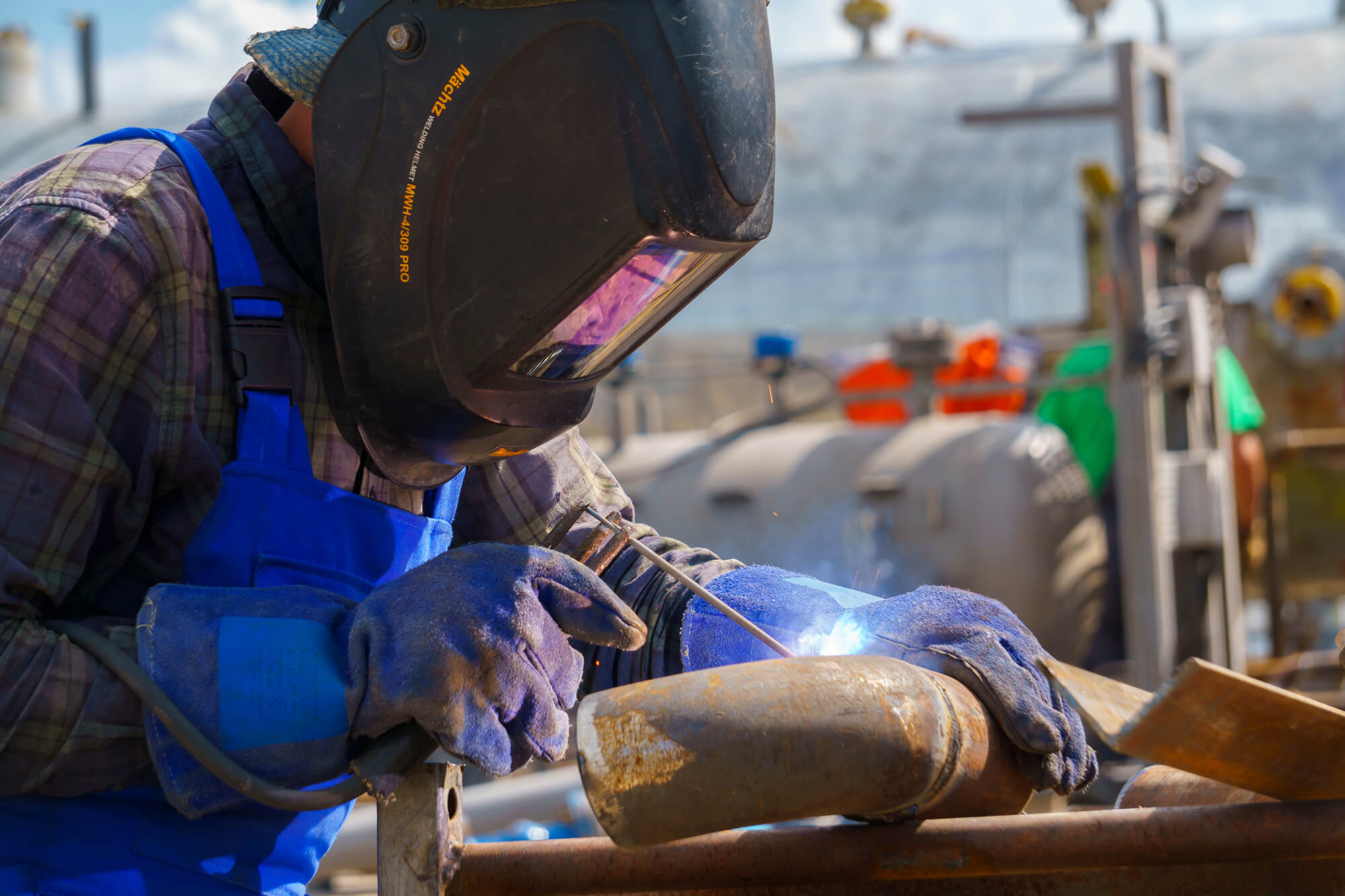
We organized the simultaneous delivery of all critical streams: design, land allocation, demining, equipment procurement, infrastructure construction, drilling, and well connection.
-
An effective procurement strategy
We developed a procurement strategy focused on local suppliers and shorter equipment lead times amid wartime constraints.
-
Comprehensive stakeholder management
We ensured constant coordination with all project participants, state authorities, local communities, and the military — a critical factor in the continuity of work in de-occupied territory.
Results
Measurable achievements after delivery
A large infrastructure project was delivered from scratch on the tightest possible timeline (in 10 months) under the difficult conditions of de-occupied territory and limited resources. This secured a strategically important increase in gas production for Ukraine’s energy security.
Before the project
-
A field with no infrastructure
-
0 wells
commissioned
-
No hydrocarbon production


After the project (10 months on)
-
A 3M m³/day gas treatment unit + a 30 km pipeline to the GTS
-
10 new
high-output wells
-
3M
m³ of gas + ~400 t of condensate per day


