
Launching a project management office at a production company
-
₴10B+
annual investment program
-
+50%
rise in investment execution
-
+13%
increase in hydrocarbon production
-
50+
wells drilled a year

Context
Initial state
The team was engaged to audit and transform the project management system at one of Ukraine’s largest gas-production enterprises, with an annual investment program of over UAH 10B. At the start, the enterprise was running two key investment programs — drilling new wells and reconstructing surface-infrastructure facilities — which formed the core of the investment portfolio and were the main driver of production growth.
Despite the strategic importance of these programs, their delivery was systematically stuck at 40–50%. Responsibility for coordination was scattered across units with no single management center, and there was no single methodology or control system. The portfolio of initiated projects had no clear link to strategic goals. The situation was compounded by full-scale war — wartime risks and operational pressure demanded a fundamentally different level of control.
Project details
- Industry
- Oil-and-gas enterprise
- Area
- Project management / PMO
- Program size
- UAH 10B+
- Rise in execution
- ↑ 50%
- Production growth
- ↑ +13%
- Drilling program
- 50+ wells a year
- Conditions
- Full-scale war
The problem
The absence of an institutional mechanism for project management
The audit uncovered key gaps that paralyzed the effective delivery of the enterprise’s investment programs. As a result, half of the planned investment went unrealized each year — including the critical program to drill 50+ wells a year, where every delay directly capped production growth.
-
No single project management methodology
Each unit managed projects its own way — with no common standards for planning, control, and reporting
-
Blurred areas of responsibility
Program coordination was scattered across units with no single management center and no clear decision-making mechanisms
-
An unbalanced portfolio
Initiated projects did not undergo systematic prioritization and were not tied to the enterprise's strategic goals
-
No monitoring system
Program delivery status was not tracked systematically — deviations surfaced late, when correcting them already cost a lot
-
A competency shortfall
Project teams lacked the training needed to manage programs of this scale and complexity amid wartime risks
The solution
YEAR 1 — Preparing and launching the PMO
Considering the problems identified, we delivered a comprehensive transformation of the project management system across several streams at once: strategic, organizational, methodological, and operational.
-
Refreshing the strategic goals
We re-examined the enterprise's strategic priorities — to provide a clear reference point for shaping the portfolio and the PMO's work.
-
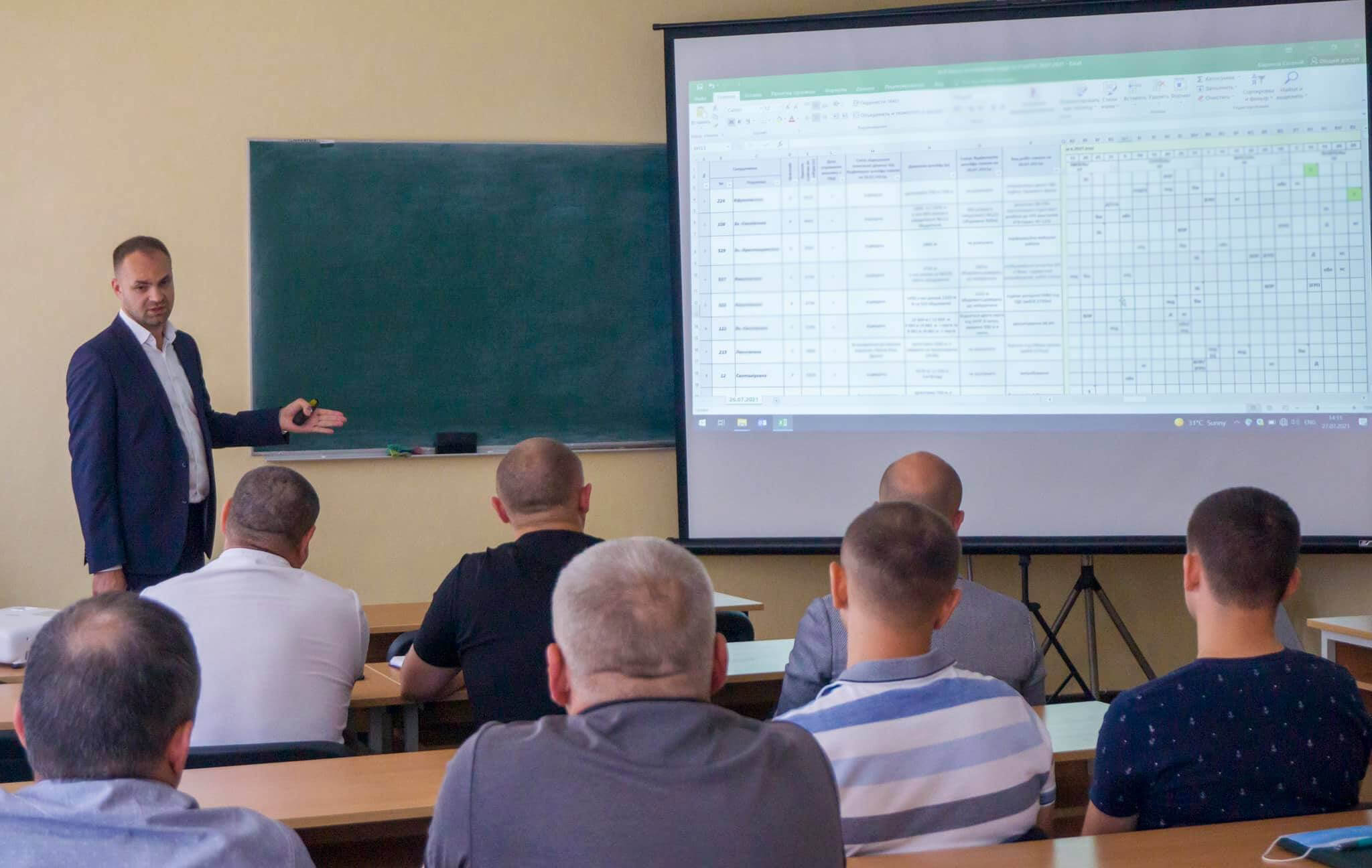
Auditing the project management system
We conducted a structured audit of the existing processes, methodology, and resource provision of project activity. We obtained an objective picture of the starting state and identified the key points for change.
-
Assessing the portfolio
We took a full inventory of all initiated projects, characterizing each and assessing its alignment with the business's strategic goals.
-
Prioritization and a balanced portfolio
On the basis of the assessment — we prioritized projects, formed programs, and built the enterprise's balanced portfolio. We developed a portfolio management plan as the operational basis for the PMO's work.
-
Defining the PMO's rules and structure
We developed and approved the PMO's operating rules, organizational structure, as well as methodological, technical, and information provision.
-
Organizational transformation
We transformed the organizational structure with a clear definition of roles, areas of responsibility, and decision-making mechanisms at the program and portfolio level.
YEAR 2 — Full operation and results
-
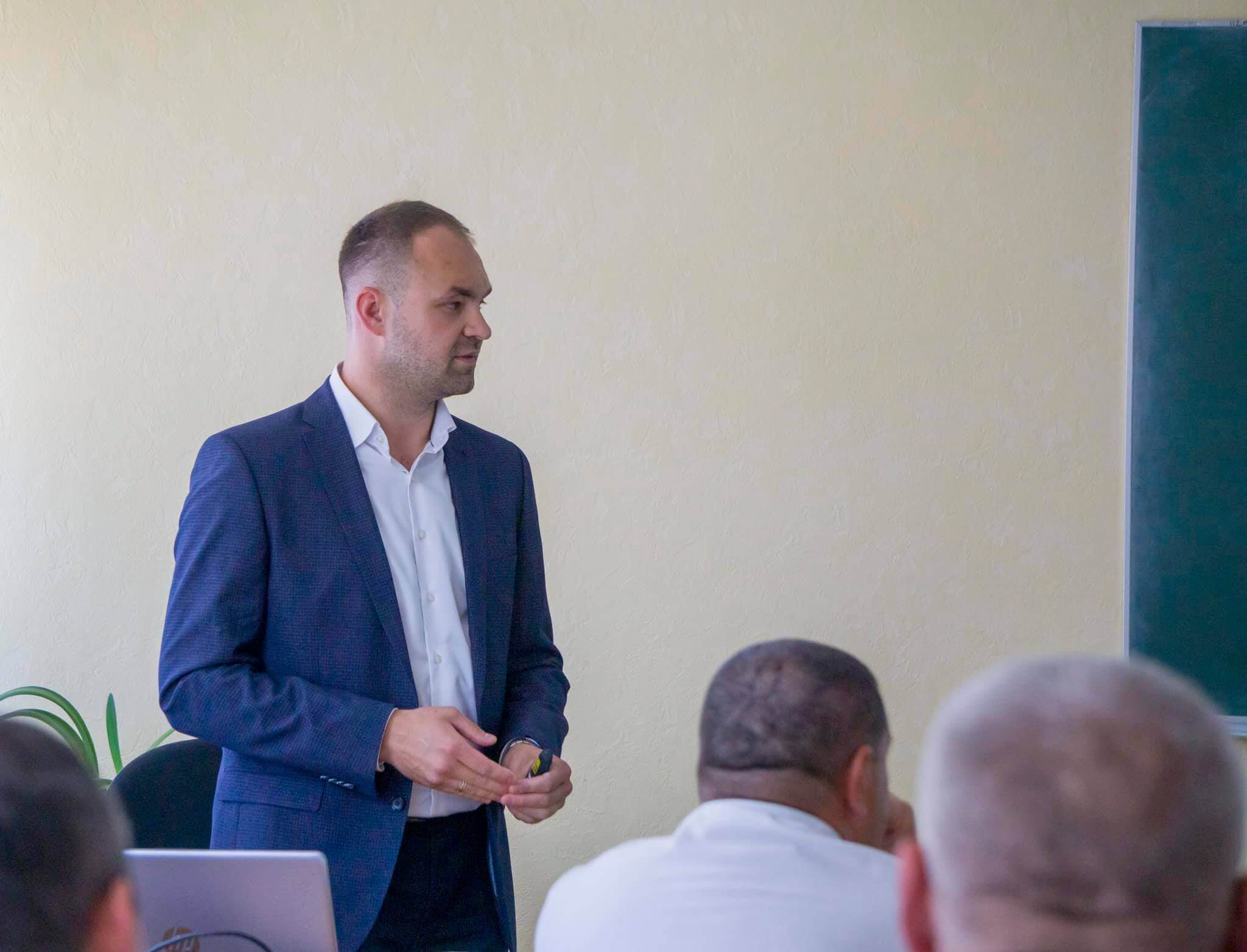
Selecting and training project staff
We selected project managers, formed project teams, and conducted training and the transfer of the project management methodology.
-
Implementing the methodology and launching the PMO
The PMO was launched in operating mode with direct support at the initial stage.
-
Supporting the PMO's work
We provided operational support as the PMO reached full capacity — supporting project teams, responding to non-standard situations, and adapting the methodology to working in a zone of wartime risk.
-
Monitoring and assessing effectiveness
We implemented a system for the regular assessment of PMO's effectiveness and program delivery status in real time (including the program to drill 50+ wells).
-
Corrective measures
On the basis of the monitoring, we developed and implemented a plan of corrective measures to address the deviations identified and improve the system's effectiveness.
-
Consolidating and optimizing the portfolio
We consolidated and optimized the portfolio for the next period — to lock in the results achieved and ensure the stability and continuity of the system.
Results
Measurable achievements after the transformation
The transformation created a full-fledged, effective project management system at the enterprise — in wartime.
Before the PMO
-
40–50% investment execution
-
Declining production
-
~20 new
wells a year
-
No PMO
-
No methodology
-
Blurred areas of responsibility
-
No monitoring system


After the PMO launch
-
90%+ investment execution
-
+13% hydrocarbon production
-
50+ wells drilled a year
-
A full-fledged managing PMO
-
A single methodology and set of rules
-
Clear roles and a single management center
-
A real-time monitoring system


