
Turning around and completing the construction of an aerated-concrete plant
-
1.2M
t/year aerated-concrete plant capacity
-
€100M
total investment
-
6months
from crisis to operational readiness
-
240
new jobs created
Context
Initial state
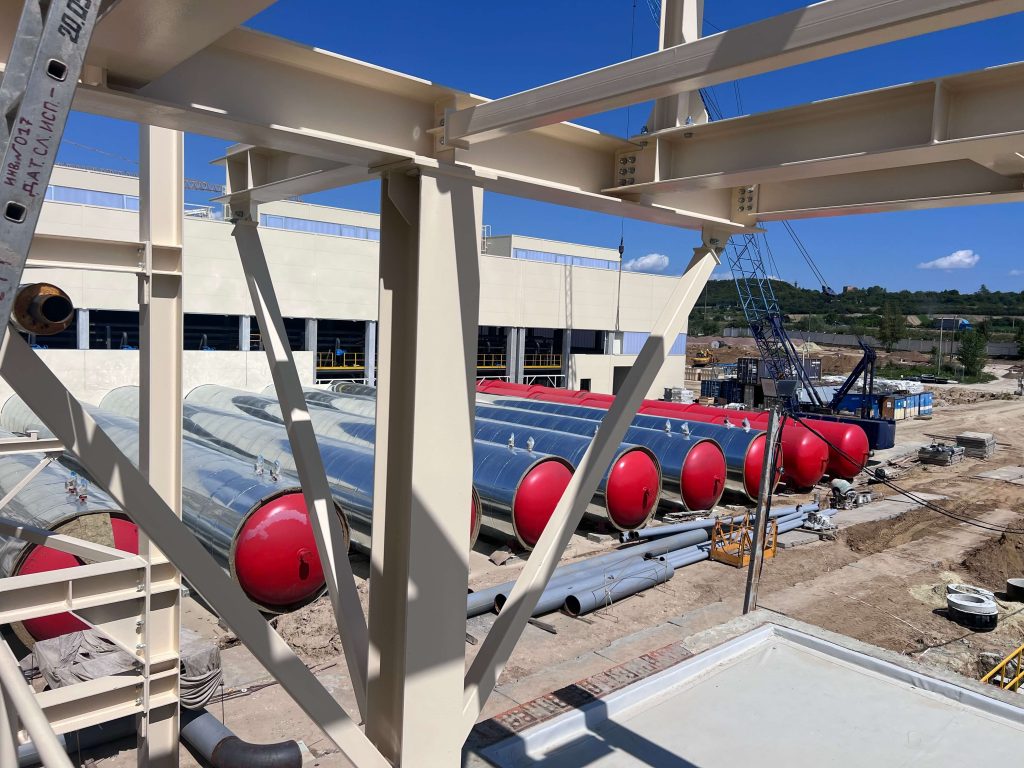
Construction of an autoclaved aerated-concrete plant 40 km from Lviv began in early 2022. The team was engaged on the project in 2025 — at the point of yet another delay in the delivery timeline. The project had been in crisis for three years.
At the time of engagement: most of the imported equipment was on site, still packed and uncertified; only the structural part of the production facility was finished — with no administrative, laboratory, warehouse, or auxiliary buildings, engineering networks, shelter, or fire-safety systems. The fulfillment of the technical conditions for connecting the plant to the engineering networks was at an early stage.
Project details
- Industry
- Industrial construction / Building-materials production
- Area
- Stabilizing and completing a crisis project
- Plant capacity
- 1.2M t/year of autoclaved aerated concrete
- Total investment
- €100M
- Duration of the crisis
- 3 years
- From engagement to result
- 6 months
- New jobs
- 240
The problem
A project in systemic crisis — three years of delays with no prospect of completion
The analysis revealed a systemic failure in project management: the client’s construction department worked on outdated principles with no project management, responsibility was scattered across units, and coordination among participants was absent. Each new delay bred the next.
-
No single project manager
Responsibility for delivery was split across different units with no single manager defined — decisions were not made and problems piled up
-
Gaps an misalignments in the design documentation
Different sections were developed by different organizations with no coordination — which resulted in clashes, expert-review delays, and a litigation with the general designer
-
No up-to-date budget
The project budget was not updated — management decisions were made without an understanding of the real financial parameters
-
Excessive bureaucratization of procurement
Procurement processes were overloaded with internal approvals — materials arrived late and the rhythm of construction work was disrupted
-
Non-compliance with the credit-financing terms
The investment project was being delivered on timelines that did not meet the terms for raising credit funds — a schedule breach threatened the financing
-
No systematic communication
The client's units worked in isolation with no cross-functional coordination — management decisions were critically delayed
How the problem was identified
We conducted a comprehensive analysis of the causes of the delay: an analysis of procurement procedures and construction processes, a search for the causes of the repeated schedule revisions, an assessment of the budget’s relevancy, an analysis of how well the team’s work matched project management principles, an assessment of the completeness of the permitting and design documentation, and an analysis of the status of the technical conditions for connecting to the engineering networks.
The solution
Steps in bringing the project out of crisis and completing delivery
We decided to transform the project team to bring it out of crisis and introduce project management best practices.
-
Transforming the project team
We appointed a professional project manager with broad authority as the single center of responsibility. We brought in a group of BIM managers and a separate chief engineer to resolve the clashes in the design documentation.
-
Creating a single control mechanism
We implemented control of the critical path and bottlenecks and ensured cross-functional communication and coordination among all of the client's units and the project participants.
-
Coordinating the design documentation development
We allocated the designers' resources optimally according to the priority of issuing sections. We set up the phased revision of documentation and expert review without halting construction work.
-
Optimizing procurement
We optimized the procurement of materials and works and removed redundant approvals. We ensured the timely supply of materials and a steady rhythm of construction work.
-
Fulfilling the technical conditions
We settled relations with suppliers and regulators and fulfilled the technical conditions for connecting to all engineering networks — electricity, gas, water supply, and drainage.
-
Completing construction
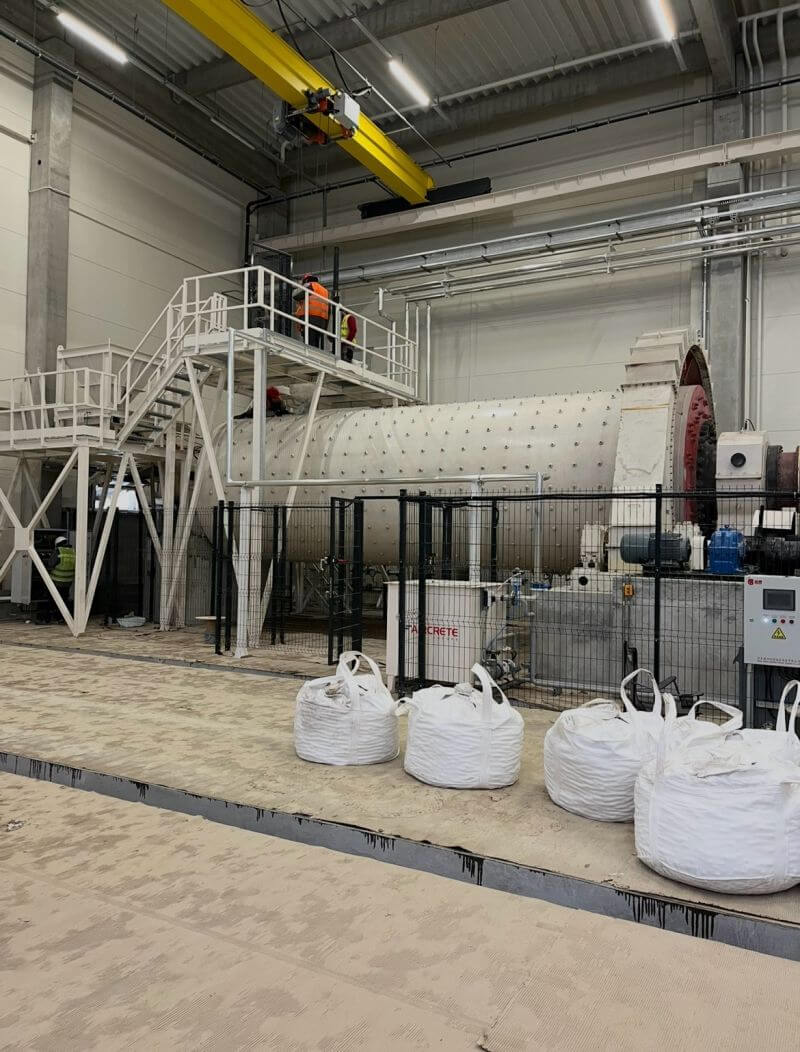
We ensured the completion of the main production block, as well as the administrative, laboratory, warehouse, and auxiliary buildings, engineering networks, shelter, and fire-safety systems. We certified the imported equipment and prepared the plant for the launch of production.
Results
Measurable achievements after the turnaround
Within 6 months of the team’s engagement, the project was brought out of a three-year crisis and the facility was made ready for operation.
Before engagement
-
3 years
of delays with no prospect
-
No single project manager
-
Clashes in the design documentation
-
Bureaucratized procurement with delays
-
Technical conditions at an early development stage
-
Equipment packed and uncertified
-
A risk of breaching the lending terms
-
An unfinished construction site


After the turnaround
-
Operational readiness in 6 months
-
A professional PM with broad authority
-
BIM coordination in Autodesk Construction Cloud
-
An optimized process with steady supply
-
All engineering networks connected
-
Certified equipment ready for launch
-
Financing obtained and the project successfully delivered
-
A commissioned plant (240 jobs, 1.2M t of aerated concrete a year)


